 Bernard
Why Choosing the Right Realism Tattoo Studio Matters
Choosing the right realism tattoo studio is a decision that can have lasting consequences. A realism tattoo is not just about ink on skin; it’s about precision, skill, and an artist’s deep understanding of shading, depth, and detail. While many tattoo studios claim to offer realism tattoos, only a select few truly specialize in the intricate craft.
In this article, we’ll walk you through six red flags to watch for when choosing a realism tattoo studio. Whether you’re looking to get a full sleeve, a portrait, or a fine line tattoo, these warning signs will help you avoid a tattoo disaster. So, let’s dive in and ensure that your next tattoo experience is not only satisfying but safe.

What is a Realism Tattoo?
Before we dive into the red flags, let’s take a moment to understand what makes a realism tattoo unique.
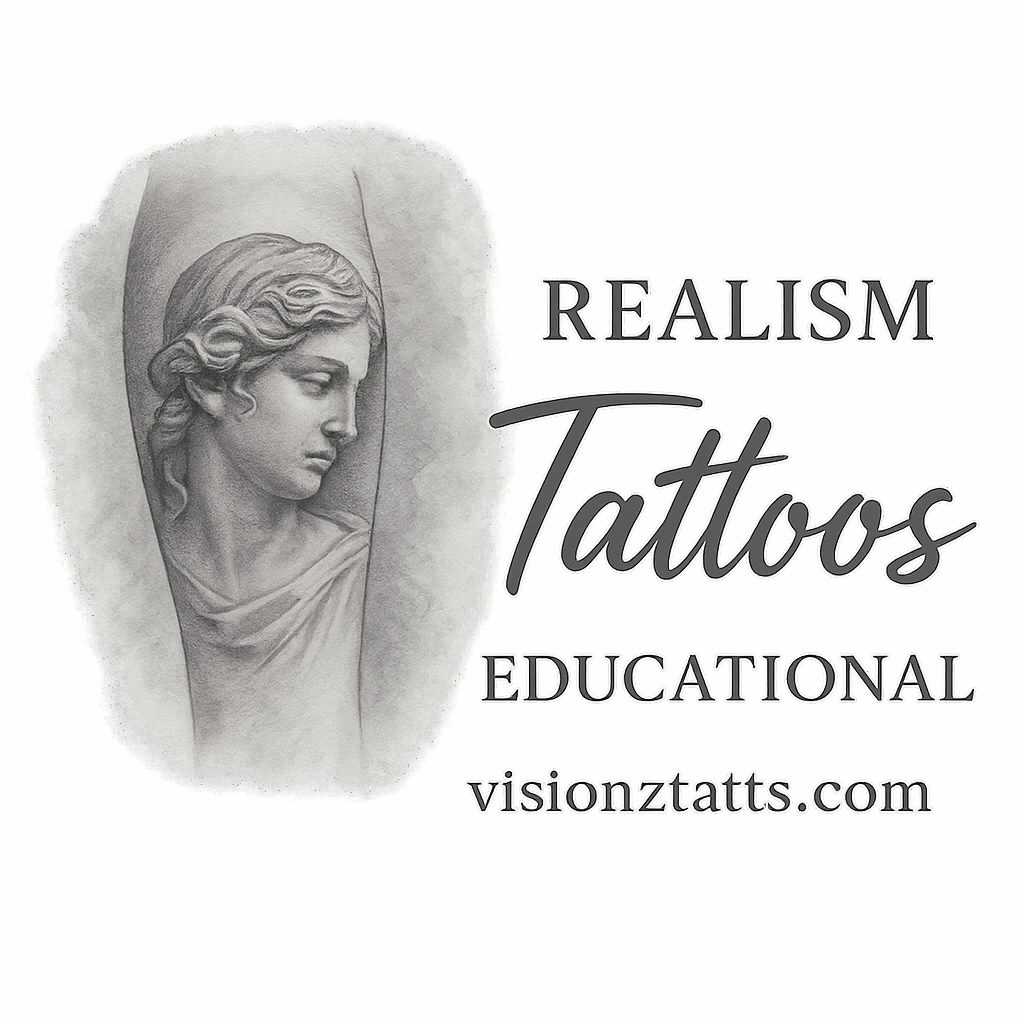
Realism tattoos are all about lifelike, highly detailed artwork that mimics reality. Artists use advanced techniques like shading, gradients, and textures to create designs that look like photographs or 3D images. They often include elements like human faces, animals, and even still life objects. For inspiration, check out some stunning realism tattoo ideas.
Why Realism Tattoos Require Special Expertise
Unlike traditional tattoos or even some other styles like geometric tattoos, realism tattoos require a specific set of skills. Artists must be able to translate real-world images into ink on skin while maintaining proportions, light, and shadow. This complexity is why choosing a studio with skilled, certified artists is crucial.
Red Flag #1: Lack of Professional Certification and Licensing
When choosing a tattoo studio, the first red flag you should be aware of is whether or not the studio has the proper certifications and licenses. A professional tattoo studio should have its business properly licensed to operate within the city or country’s laws. More importantly, tattoo artists should have certifications demonstrating their training and knowledge of safe practices.
Why Certification Matters in Tattoo Studios
Tattooing is an art, but it’s also a practice that comes with health risks, such as infections or allergic reactions. Professional certification ensures that the artist is educated in proper hygiene, skin anatomy, and tattoo techniques, which are crucial for creating a safe and clean tattoo experience.
What to Look for in a Tattoo Artist’s Certification
Check for certification from organizations like the National Tattoo Association or local authorities in your area. These certificates indicate the artist has gone through the necessary training and passed exams related to health and safety standards.
Signs of an Unlicensed Studio
- No displayed certificates: If the studio doesn’t showcase any relevant certifications, that’s a red flag.
- Inconsistent registration: If the studio doesn’t have proper business registration or if the studio address doesn’t match its licensing records, it’s time to reconsider.
Red Flag #2: Poor Hygiene and Sanitation Practices
Hygiene is perhaps the most critical factor when choosing any tattoo studio, especially one that specializes in realism. Because realism tattoos often require multiple sessions and extensive shading, proper sanitation becomes essential for preventing infections and ensuring proper healing.
How Hygiene Affects Tattoo Healing
A poorly sanitized studio can introduce harmful bacteria or viruses into the skin, leading to infections that could ruin your tattoo and cause severe health problems. Even after the tattoo is completed, improper hygiene during the tattooing process can lead to scarring and delayed healing.
Essential Hygiene Practices to Expect
- Sterilized equipment: Make sure the equipment, including needles, tattoo machines, and gloves, is sterile and disposed of properly.
- Single-use needles: The artist should be using new, clean needles for each session.
- Clean workstations: The work area should be wiped down and disinfected between customers.
- Proper aftercare advice: The artist should explain aftercare steps to ensure healing. You can find more about tattoo healing tips.
Signs of Poor Hygiene in a Tattoo Studio
- Dirty or cluttered environment: If the studio looks unclean, it’s a red flag.
- Artists not wearing gloves: This is a major warning sign.
- Reused or unwrapped needles: This is a huge safety issue and should be avoided at all costs.
Red Flag #3: Low-Quality Equipment
Realism tattoos require highly skilled techniques and top-quality equipment. Low-grade tattoo machines, needles, and inks can significantly impact the tattoo’s final result, particularly when working on realistic designs that require fine details and precise shading.
Why Equipment Quality is Crucial for Realism Tattoos
Low-quality equipment can lead to poor shading, uneven lines, and ink that fades quickly. Since realism tattoos rely heavily on subtle details, subpar equipment can ruin the design, leaving you with a tattoo that doesn’t live up to your expectations.
Common Tattoo Machines and Equipment for Realism Work
- Rotary tattoo machines: These machines are popular among realism tattoo artists for their precision. You can learn more about the latest tattoo machines and technology.
- High-quality needles: Fine needles with proper ink flow are necessary for detailed realism tattoos.
- Quality inks: Using high-quality, long-lasting inks ensures your tattoo’s colors stay vibrant.
What to Avoid in Equipment
- Old or rusted machines: If you notice that the equipment looks outdated, this is a clear red flag.
- Non-sterile needles: Don’t settle for a studio that uses non-disposable needles or doesn’t properly sterilize its tools.
Red Flag #4: Unsatisfactory Portfolio and Reviews
An artist’s portfolio is a reflection of their talent and style. When choosing a realism tattoo studio, always ask to see the artist’s previous work.
How to Assess a Realism Tattoo Portfolio
A well-rounded portfolio should showcase a variety of realism tattoos in different sizes and styles. Pay special attention to how well the artist handles details like light, shadow, and depth. Are the tattoos clear and vibrant? Do they look realistic or blurred? For inspiration and examples, you can check out our tattoo inspiration.
What to Look for in a Portfolio
- Attention to detail: The finer the detail, the better.
- Consistency: A good tattoo artist consistently produces high-quality work.
- Variety: Check if the artist has done a variety of realism tattoos (e.g., portraits, animals, nature).
Reading Reviews and Customer Feedback
- Look for testimonials from previous clients. Are they happy with the work? Do they mention how well the tattoo healed?
- Check online reviews: Websites like Google and Instagram can provide insight into an artist’s reputation.
Red Flag #5: Inconsistent Pricing or Hidden Fees
Transparent pricing is crucial when it comes to tattoo work. A good realism tattoo studio will have clear and upfront pricing based on the size, complexity, and time involved in your tattoo.
What to Expect from Pricing in a Realism Tattoo Studio
Realism tattoos often take longer than traditional tattoos due to the time it takes to perfect the details. Expect to pay more for this type of work. However, the pricing should be consistent and clearly explained before starting the session. Learn more about tattoo pricing.
Why Transparency in Pricing is Crucial
Hidden fees or unclear pricing structures can lead to a feeling of betrayal once you’re in the chair. Make sure you understand the pricing breakdown beforehand, so you aren’t caught off guard.
How to Avoid Hidden Fees
- Ask for a written quote: This ensures that there are no surprises later on.
- Be wary of too-low prices: If the price seems too good to be true, it probably is. Quality realism work requires time and expertise, so the price will reflect that.
Red Flag #6: Overcrowded or Uncomfortable Studio Atmosphere
The atmosphere of the studio can drastically affect your overall tattoo experience. Since realism tattoos often take several hours or even multiple sessions, it’s essential that the studio provides a comfortable and welcoming environment.
Why Studio Atmosphere Affects Your Tattoo Experience
A calm, clean, and professional environment will allow you to relax and enjoy the tattooing process. An overcrowded or chaotic atmosphere can add unnecessary stress to what should be an enjoyable experience.
Creating a Comfortable Environment for Long Sessions
- Comfortable seating: The artist should provide a comfortable space for extended sessions.
- Private booths: Some studios offer private areas where you can relax while getting tattooed.
Signs of an Uncomfortable Studio
- Loud, distracting noises: A tattoo session should be a relaxing experience.
- Dirty or cramped spaces: If the studio looks cramped or messy, it may not be the right place for you.
How to Choose the Right Realism Tattoo Studio
In conclusion, choosing the right realism tattoo studio is essential for both your safety and your tattoo’s final outcome. Pay close attention to certifications, hygiene practices, equipment quality, artist portfolios, pricing transparency, and the studio’s atmosphere. These factors will ensure that you walk away with a tattoo you’ll love, and that it will heal safely.
Frequently Asked Questions
- How can I tell if a tattoo artist specializes in realism?
- What’s the best way to take care of my realism tattoo during the healing process?
- How long do realism tattoos take to complete?
- Is a tattoo with fine details more likely to fade?
- Should I be concerned if a tattoo artist doesn’t have a portfolio?
- How can I verify a tattoo studio’s license and certifications?
- What makes a tattoo healing process successful and free from infections?